
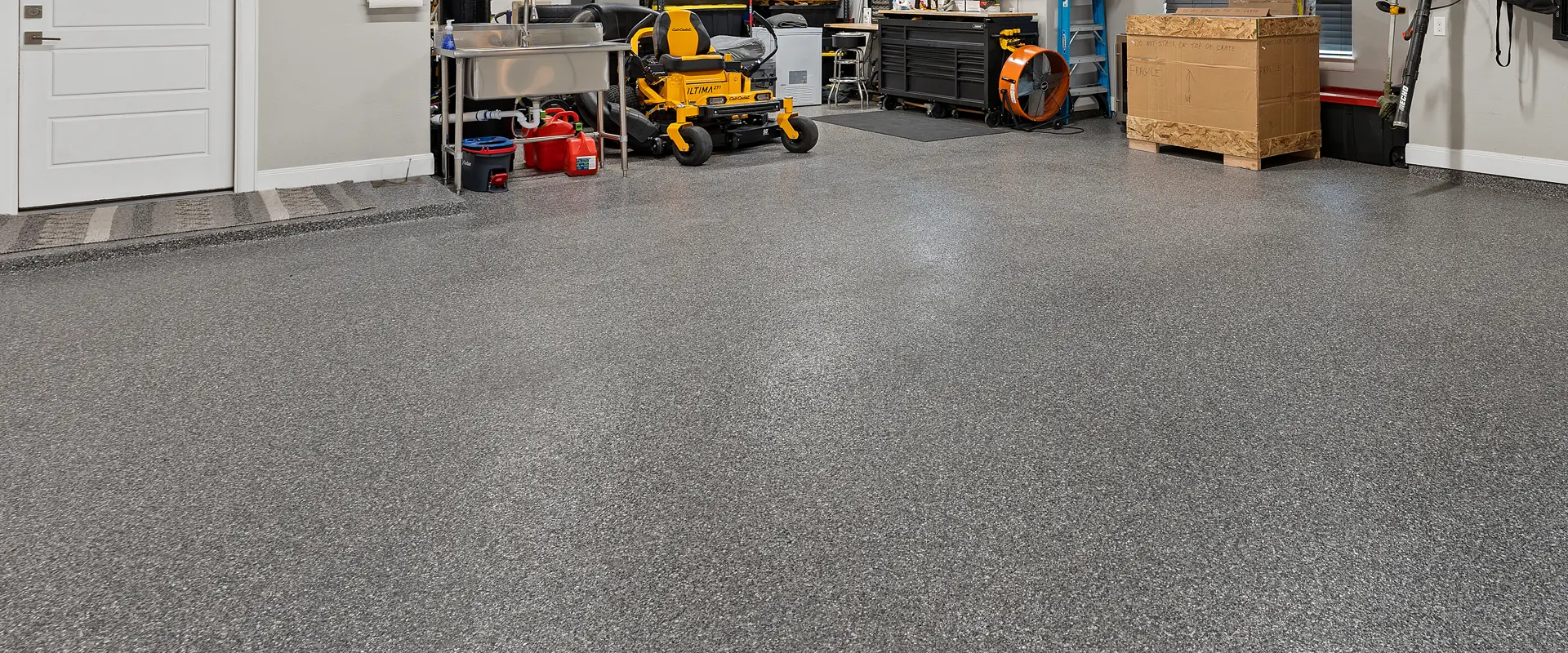
Garage Floor Coatings in Cold Climates: What to Expect
Cold climates are tough on garage floors. Between freezing temperatures, road salt, moisture, and constant expansion and contraction, untreated concrete can deteriorate quickly. If you're considering a garage floor coating cold climate solution, understanding how winter conditions affect both concrete and coatings will help you make a smarter decision.
Here’s what homeowners should realistically expect when upgrading their garage floor in a region that experiences harsh winters.
Why Cold Weather Is Hard on Bare Concrete
Concrete may look solid and indestructible, but it’s porous. That means moisture seeps in easily. When temperatures drop below freezing, trapped water expands. Over time, this freeze-thaw cycle can lead to cracking, pitting, and surface deterioration.
Winter driving makes matters worse. Snow, slush, and de-icing salts get tracked inside and sit on the floor. Salt accelerates surface breakdown and can leave permanent staining. Without protection, what starts as minor surface wear can eventually become structural damage.
That’s why many homeowners begin researching garage floor coating winter solutions after noticing scaling, flaking, or widening cracks.
Can Garage Floor Coatings Be Installed in Winter?
A common concern is whether coatings can even be applied during colder months. Traditional epoxy systems often struggle in low temperatures. They may cure slowly, fail to bond properly, or require heated conditions to install successfully.
Modern polyaspartic systems, however, are formulated to tolerate cooler environments and cure much faster. That allows professional installers to complete projects efficiently, even when outside temperatures are less than ideal.
Still, installation conditions matter. Surface preparation, moisture levels, and ambient temperature must be carefully managed. A professional installer will evaluate these factors before beginning the process to ensure proper adhesion and long-term durability.
How Coatings Perform in a Cold Climate
Once installed correctly, a high-quality coating system acts as a barrier between your concrete and winter damage. Here’s what you can expect from a well-applied garage floor coating cold climate system:
1. Protection Against Freeze-Thaw Damage
The coating seals the porous surface of concrete, preventing moisture from penetrating and expanding beneath it.
2. Resistance to Salt and Chemicals
Road salt and automotive fluids won’t soak into the surface. Instead, they remain on top, making cleanup easier and preventing corrosion.
3. Reduced Surface Cracking
By limiting water intrusion, coatings help minimize cracking caused by temperature fluctuations.
4. Improved Safety
Many systems incorporate texture or flake layers that provide slip resistance—important when melting snow creates slick surfaces.
Are There Temperature Limits?
Yes. While advanced coating systems perform well in cold conditions once cured, extreme temperatures during installation can impact results. That’s why professional evaluation is critical. Installers may use temperature-controlled preparation methods or schedule projects during appropriate weather windows to ensure optimal bonding.
Once cured, though, the coating is engineered to withstand temperature swings without peeling or cracking.
Is It Worth It for Cold Regions?
If you live in a climate where winter lasts months instead of weeks, the answer is often yes. Leaving concrete exposed year after year allows small issues to compound. A protective system not only improves aesthetics but also shields the slab from costly long-term damage.
Investing in a garage floor coating winter solution is less about appearance and more about preservation. It transforms your garage from a vulnerable surface into a durable, easy-to-maintain space that stands up to seasonal stress.
Upgrade Before Winter Takes Its Toll
If your garage floor already shows signs of wear or you want to prevent damage before it begins, professional installation makes all the difference. River Valley Floor Shield installs high-performance polyaspartic systems designed to handle temperature swings, moisture, and salt exposure without compromise. Contact our team today to protect your garage floor before another winter puts it to the test.